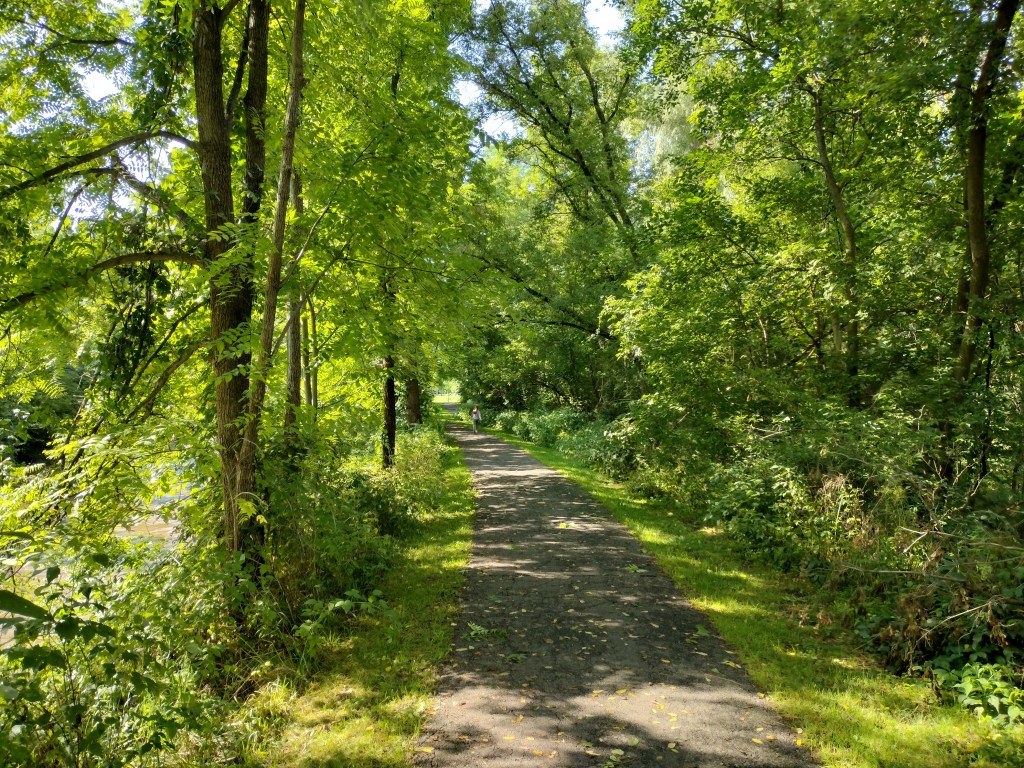
While I was in Japan a month ago, I was surprised to see how many people were outside. The weather was pretty hot and humid, too, which made it even more surprising. There were many reasons that people were outside: for one, Japan has a widespread train culture, so if you want to go anywhere, you’re going to be walking at least part of the way. Japan is also smaller than the United States, and communities tend to be physically closer, so many things are within walking distance. But it wasn’t just people out on errands who were outside; we saw people working in their gardens, out for strolls, or just sitting on benches in parks. And when the sun went down, there were even more people around.
This isn’t to say that Americans don’t love the outdoors. We do. I live in a very outdoorsy part of New York state, and my parishioners are always talking about going kayaking or snow shoeing or biking. Before I came here, I was in the Pacific Northwest, where everyone was outside doing some activity. We in the U.S. love our natural wonders, be they big or small. Even this morning, which I spent out on one of my parish’s “holy hikes”, I saw a variety of different types of people, all out for different reasons. And yet the American love of the outdoors seems to me different from the Japanese appreciation of nature. And I think that different is religion.
Now, it’s often said that the Japanese don’t have “religion.” This is the opinion of secular academia, often, and it’s something that Japanese people told me flat out. Buddhism and Confucianism, it’s said, are more philosophies than religions, and those things that we in the West might identify as religious are simply a part of Japanese culture. Very few people in Japan are part of religious communities like a church. The only time when religion seems to come up is when people die, and maybe when they get married (maybe…).
I’ve often that this is a somewhat dim and shallow understanding of Japan and of religion. In the West, at least, it comes from an understanding of religion that is post-Reformation. In our world, religion is a choice. You can take it or leave it. You can get up on Sunday morning and head to church, or you can stay in your jammies and have another cup of coffee. Not so in medieval Europe. Religion was simply a part of life. People went to church (or, if they were Jewish, they gathered on Saturdays), because it was a part of their culture to do so. The year was dotted with festivals that had distinctly religious character, and everyone attended them, not because they chose to, but because that’s what you did. Religion was part of the warp and woof of what it meant to be a person in a community.
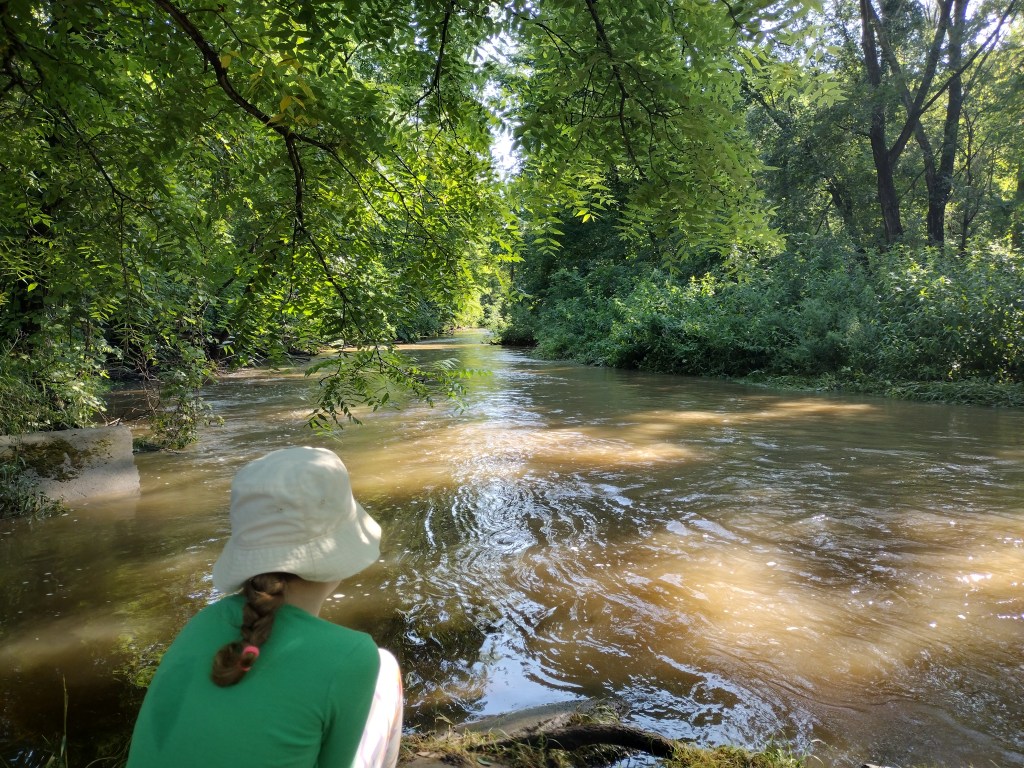
Think of it this way: what if someone today told you that they didn’t have the internet or a cell phone? For most of us, cell phones and the internet are such important parts of our lives that we have trouble imagining life without them. When I was a graduate student and was literally too poor to have a phone or the internet (I used public transportation and library computers when I needed to), my friends were aghast. I taught, and when I told my students that I didn’t have a phone, they actually got mad at me. They accused me of being a bad husband – how could I leave my wife without any way to get in touch with me? My students’ identity was tied up with their cell phones, and not having one said something very negative about me as a person.
For medieval Europeans, religion was simply part of what you did, just as, for the Japanese, going to the shrine on New Years’, donating money to the local Shinto festival, and checking which days are lucky and unlucky before choosing your wedding date are simply parts of “being Japanese.” It’s the same thing with the natural world. Living in nature is part of what it means to be Japanese, and living in nature has certain religious overtones. Shrines are outside. Temples are collected into campuses. Festivals are outdoors. And people visit these places and events all the time. Visiting them and enjoying festivals is part of what makes Japanese people Japanese.
Japanese religion is baked into who the Japanese people are as a people and as a culture in a way that religion just plain isn’t in the U.S. And while Christians will certainly talk about how Jesus is born within us or that the “law is written on our hearts”, we don’t often say the same about Christmas or Easter, or the summer movie blockbuster, or that cool weather that comes suddenly in August just before it gets hot again, or the falling of cherry blossoms, or the sounds of deer in the autumn forest. These may be personally important to us, but they aren’t culturally a part of who we are as a people or as Christians.
In writing all this, maybe I’m being unfair to Americans. I certainly have gotten some odd looks in Central New York when I say that I haven’t been skiing (I’m a terrible skier), and folks in the Pacific Northwest really do love the outdoors. But I make this point about the difference between the U.S. and Japan to highlight something that I think we can learn from the Japanese, and that’s a religious lesson. Christians believe that God created the universe, Heaven and Earth, and afterwards God said that the work was good, even very good. And because of this, we are called to have a special, religious relationship with the nature world. God may not be identified with nature as gods are in other religions, but God let his personal imprint upon the natural world (indeed, the whole universe!) just like any artist puts something of themselves into what they make. And we are called on as Christians to be in a relationship with the natural world through this reality.
How do we do this? Well, maybe we should pray outside more often. Instead of closing our eyes, maybe we should look at the wind in the trees. When we talk about offering things to God on the Altar, maybe we should also remember that the wood of the Altar itself is also an offering. Open your windows more often. Go for walks. Meet people outside. Learn to drink in the sunlight and the moonlight and the starlight. Or go with your kids or grandkids into nature and do what they do. Children often have a better understanding of how to love the natural world in a religious sense than we adults do.

 Incense and Crayons
Leave a comment